A condo renovation can move ahead with a general contractor when the work is coordinated with the condo board’s requirements. The contractor can help organize the scope, schedule, trades, site access and communications, while the homeowner secures the building approvals needed for the project.
That coordination matters: unclear responsibilities or late approvals can disrupt work before it begins. Choosing a contractor who understands the project’s moving parts helps set expectations early, including who communicates with the condo board and how building procedures affect the schedule.
This guide explains what general contractors do, what to look for in a renovation contract, and how contractors coordinate with condo boards and homeowners’ associations. You’ll also find practical questions to raise before committing, so you can assess the work, timing and risks more clearly.
Key Takeaways
- Understand how project coordination, trade scheduling and site communication fit together before work begins.
- Use a written agreement to clarify the scope, payment terms, schedule and responsibility for added costs.
- Plan for condo board or homeowners’ association requirements early, including approvals and building access arrangements.
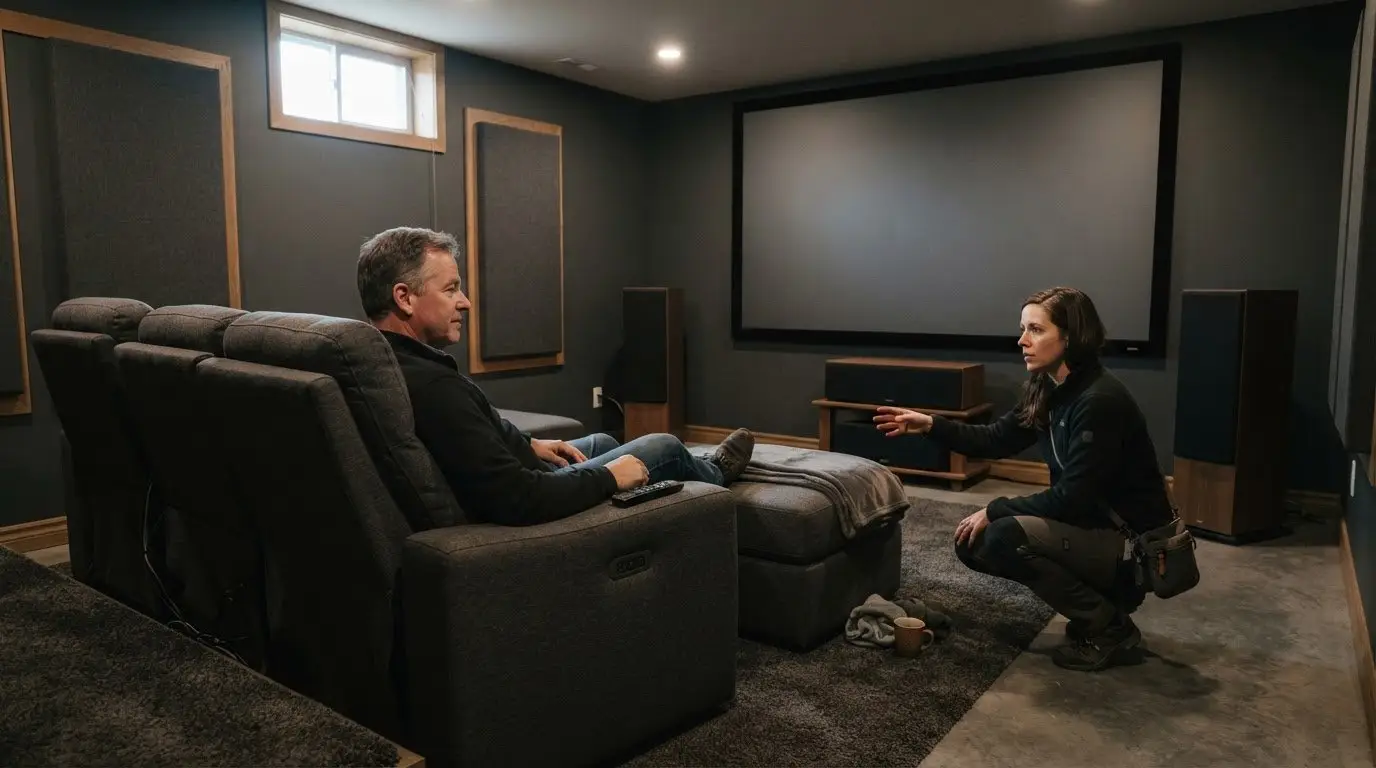
- See how design-build planning can help bring a custom home theatre project from scope to construction.
What services do general contractors in Ottawa and Prescott-Russell offer?
In Ottawa and Prescott-Russell, a general contractor can coordinate a renovation’s trades, schedule and project decisions. The right arrangement depends on the scope of work and how the project is priced.
Project Coordination
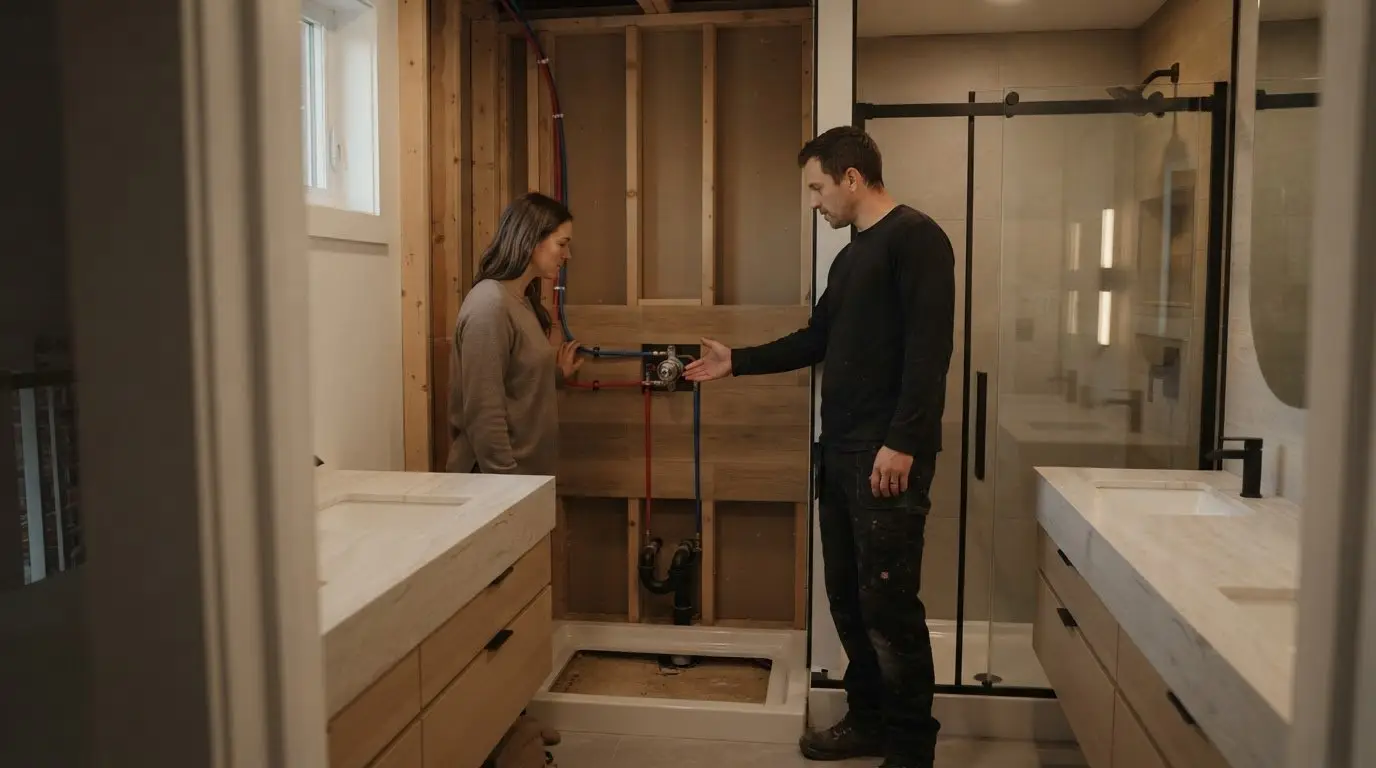
Project coordination means organizing the people and tasks needed to complete construction. A general contractor may hire specialized subcontractors, oversee their work, monitor site activity and share updates with relevant parties. Trades can include electricians, plumbers, carpenters, painters and appliance installers. Coordinating schedules helps keep work in sequence and gives homeowners a clear point of contact.
Construction Project Delivery
Construction project delivery is the approach used to plan, price and complete the work. Proposals may use fixed-price, cost-plus or estimated pricing, depending on the arrangement. Compare the scope of each proposal, including how changes are approved and priced. For a larger renovation involving several trades, a contractor can coordinate the overall job; a smaller, specialized task may suit a single trade.
Bids and project costs: A bid describes proposed work and its price, while an estimate forecasts expected costs. Smaller jobs or supervision may use hourly pricing; larger projects may use project-based pricing. Compare the scope behind each figure, not just the total. Ask how extra work will be documented before approving it.
Contract terms: Put the work, materials, schedule, payment terms and process for added costs in writing. Include permit responsibilities, insurance and workers’ compensation details, and both parties’ contact information. Clear terms help prevent disputes about changes, responsibilities or completion.
Home renovation contract checklist
A renovation contract records the agreed work, schedule and payment terms. Before hiring, compare written proposals for the same project scope, then resolve any differences in writing.
A complete checklist covers the people, work and costs involved. Confirm both parties’ names and contact details, then make sure the document describes:
- The work, materials, work arrangements and which trades will be subcontracted, such as wiring.
- Project dates, expected duration and the steps for handling schedule changes.
- The total amount, payment timing, accepted payment methods and how additional costs need approval.
- Permit responsibilities, insurance and workers’ compensation information.
- Termination terms and any hold-back provisions that apply to the project.
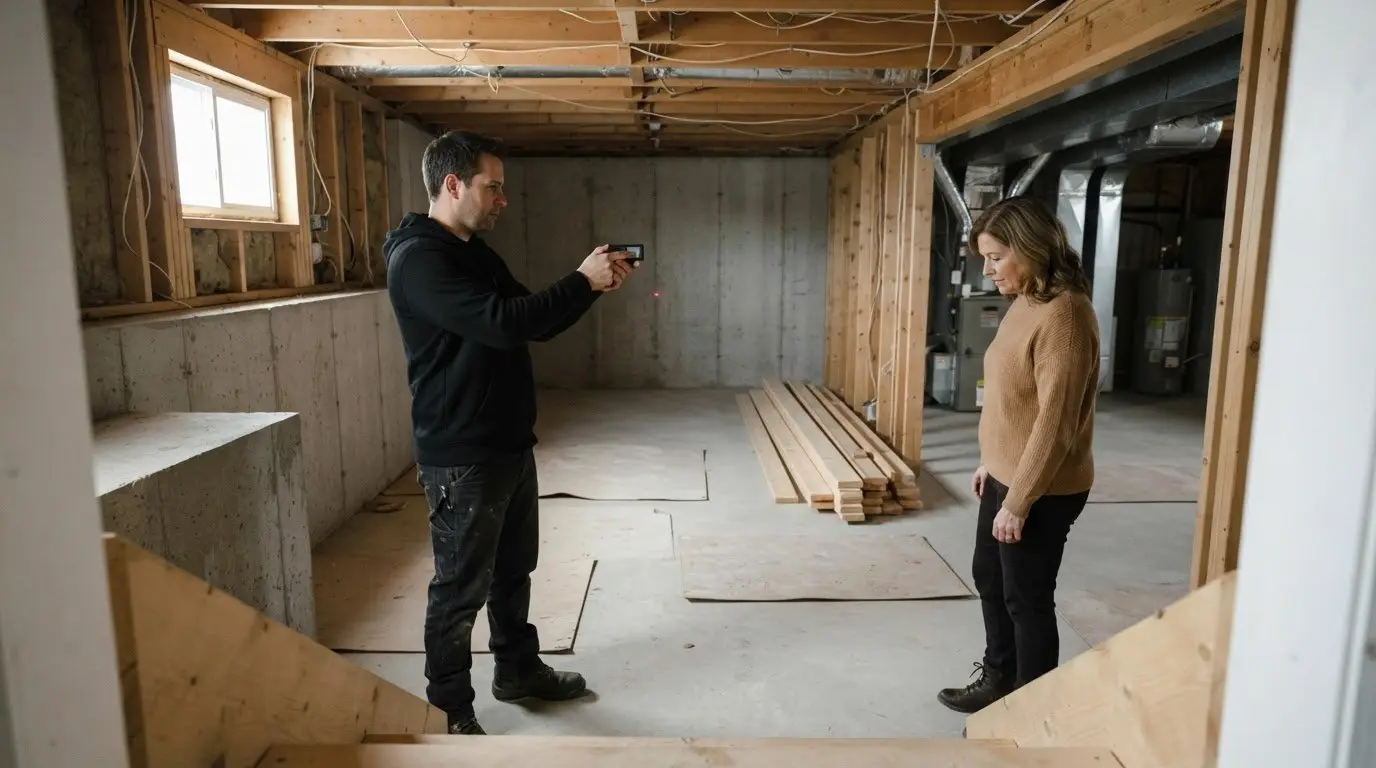
Use a detailed project brief to guide your renovation. List priorities, materials, room measurements and known site conditions, then share the same brief for each estimate. This makes it easier to compare the scope behind different prices and spot missing work before signing. Ask how changes, such as discovering damaged material behind a wall, will be documented and priced.
Renovation work runs more smoothly when responsibilities are clear before it starts. Ask who coordinates each trade, who approves substitutions and how progress updates will be shared. Review the payment plan alongside the schedule, so payments correspond to agreed work stages rather than unclear milestones.
Keep the signed contract, estimates, change approvals and payment records together. A structured renovation process can help organize scope, decisions and project communication from the outset.
Can general contractors work with homeowners’ associations or condo boards?
Yes. A general contractor can coordinate renovation work with a condo board or homeowners’ association, including building access, work schedules and approval steps. The homeowner, contractor and board should agree on responsibilities before trades are scheduled. This gives the contractor a clear operating plan and helps the board understand how the work may affect shared spaces.
Permits and inspections are approvals and checks related to construction work. Before work begins, identify which permits and inspections apply, who will arrange them, and how they fit into the schedule. Plumbing, for example, may require a specialist trade. The contractor can include these tasks in the project plan, while the homeowner tracks building-specific approval requirements.
Types of contractors refers to professionals grouped by the work they do. A general contractor coordinates the overall renovation, while specialist tradespeople handle defined tasks such as plumbing, electrical work or painting. Ask which trades the contractor will coordinate and who will communicate schedule changes to the board.
Tax and GST/HST terms explain how taxes appear in project documents. Contractors are responsible for remitting their own taxes. Ask the contractor to show whether GST/HST is included in the proposal and how applicable tax will appear on invoices, so the amount is clear.
Insurance and bonding address different project risks and obligations. Review the contractor’s insurance details and clarify any bonding requirements in the agreement. Keep the written information with your project records.
For condo work, share board procedures and access arrangements before confirming the schedule. A coordinated plan helps the contractor sequence trades around building requirements, which is central to residential general contracting services.

Meraki General Contracting: Custom Home Theater Design and Build
Meraki General Contracting is a strong fit when your renovation needs coordinated planning and construction, especially for a custom home theatre. Its design-build project management connects pre-construction scoping with project delivery, helping clarify the work before construction begins.
For a basement transformation, Meraki also provides basement renovation and finishing, as well as home automation integration. These services can suit homeowners planning connected changes in one space. The company’s Measured, Managed, MasterCrafted process focuses on project scoping and data-driven pricing before construction, creating a clearer foundation for decisions.
If you’re considering a home theatre or related renovation, contact Meraki General Contracting to discuss your project.
Make Your Next Renovation Decision With Clarity
What this means for you
Before moving forward, write a short project brief: what you want to change, what matters most and what could disrupt daily life at home. In Ottawa and Prescott-Russell, include any site or building conditions that may affect access or planning. This gives you a practical starting point for discussing options with a contractor.
Use the brief to decide which choices need your attention first and who in your household will make them. Clear priorities help keep decisions focused as the design develops and the work takes shape.
When you’re ready to discuss your renovation goals, contact Meraki General Contracting. A thoughtful first step can make the next one easier.
Frequently Asked Questions
How is a contractor paid?
A contractor is paid according to the method and schedule set out in the written contract. Payments, for example, may be tied to completed project stages rather than requested informally as work progresses. Keep invoices and payment confirmations together, and match each payment to the work or milestone described in the agreement. This creates a clear record if questions arise later.
What happens if unexpected issues arise during a project?
Pause the affected work, document the issue and agree to a written change before proceeding. For example, if opening a wall reveals a condition that changes the planned work, ask for an explanation of the scope, schedule and cost implications. Keep the revised approval with your project records so everyone is working from the same decision.
What should be outlined before a contractor begins a job?
Before work starts, define your priorities, access needs and decision-making process. Note which rooms must remain usable, how household belongings will be protected or moved, and who can approve changes. If you’re renovating a home in Ottawa, include any building or condo-board procedures affecting access, deliveries or work hours in the project plan.
What does contractor mean in Canada?
In Canada, a contractor is a person or business hired under an agreement to provide a service, workers or materials for a job. For a home renovation, that may involve coordinating work directly or arranging specialized trades. The label alone does not determine whether someone is legally self-employed or an employee; the working relationship and applicable rules matter.
What licenses and certifications do contractors need in each Canadian province and territory?
There is no single checklist that applies to every renovation across Canada. Requirements can depend on the province or territory, municipality and type of work. For a project in Ottawa, identify the specific trades and planned work, then check applicable local requirements with the relevant government authority. Ask for the names of any required licences or credentials and clarify who is responsible for obtaining them.

Article by
~ Jason Bourguignon
Jason has been passionate about building homes from a young age, starting his first successful construction company at age 21. With experience across nearly every sector of the industry, he brings a hands-on understanding of the entire building process. For over two decades, he has managed hundreds of custom home builds, additions, and renovations with some single projects exceeding $2.5M. Jason does not just focus on construction, but also helps homeowners create spaces they truly call home.
Disclaimer
The information in this article is provided for general educational purposes only and is based on typical renovation scenarios in Ontario. Every project is unique, and actual costs, timelines, and requirements may vary. This content does not constitute professional, legal, or engineering advice. We recommend consulting with a qualified contractor or specialist for your specific project.