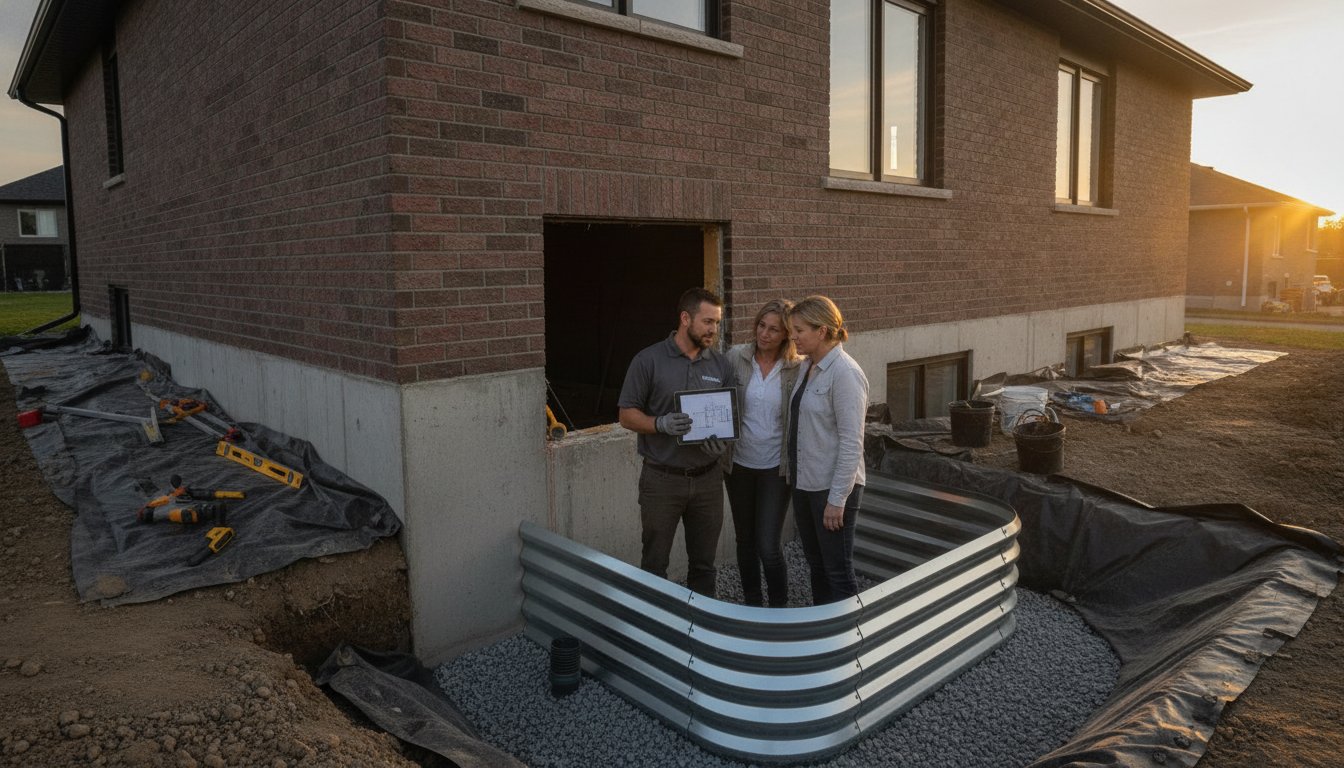
A C$350,000 estate renovation in Manotick can transform into a legal nightmare the moment a city inspector issues a stop-work order because of a missing document. Most homeowners we speak to feel a deep sense of anxiety when contractors offer conflicting advice about Ottawa renovation permits, fearing that a single oversight might lead to a denied insurance claim. It’s a valid concern because your home is your most significant asset, and it deserves the same institutional rigor you’d apply to any high-stakes investment.
We believe that a bespoke renovation should be a seamless extension of your vision, not a source of bureaucratic stress. This guide provides the clarity you need to handle the City of Ottawa’s 2026 building requirements with quiet confidence, ensuring your high-end project is protected from the ground up. You’ll learn exactly which permits your specific project requires, how to structure a management plan that keeps inspectors satisfied, and the critical questions to ask your builder to safeguard your C$100,000 to C$500,000 investment.
Key Takeaways
-
Protect your capital investment by understanding how compliance with the Ontario Building Code serves as a strategic safeguard for your home’s structural integrity and long-term value.
-
Identify the specific structural and mechanical modifications that mandate Ottawa renovation permits to ensure your high-end project remains fully legal and protected from municipal intervention.
-
Discover how a structured, data-driven planning process eliminates the "permit delays" that often plague large-scale renovations, keeping your C$100K+ investment on a precise trajectory.
-
Gain the professional clarity needed to ask your contractor the right questions, helping you spot red flags and avoid the hidden costs of non-compliance.
-
Navigate the complexities of the city’s requirements with a sophisticated approach that prioritizes transparency and risk mitigation for a seamless renovation experience.
Table of Contents
-
Understanding the Strategic Importance of Ottawa Renovation Permits
-
Determining if Your Ottawa Project Requires Municipal Approval
-
The Meraki Approach: Managing the Permit Lifecycle in Ottawa
Understanding the Strategic Importance of Ottawa Renovation Permits
Most homeowners we speak to view the permit process as a bureaucratic hurdle. However, for a sophisticated renovation between C$100,000 and C$500,000, an Ottawa** renovation permit** is a vital risk management tool. This legal document ensures your project complies with the Ontario Building Code, providing a layer of oversight that protects your capital. The City of Ottawa mandates these permits for any work involving structural changes, safety systems, or plumbing to prevent hazardous construction.
At Meraki, we view permits as a form of bespoke quality control. They offer an unbiased, third party review of your contractor’s execution. Without this, your investment rests solely on a contractor’s word. This oversight is why we integrate permit navigation into our process from the earliest planning stages. It ensures that the sophisticated structural work behind your walls is just as reliable as the high-end finishes on the surface.
What this means for you
Securing a permit is about protecting your home’s equity. If a fire or flood happens in an unpermitted space, your insurance provider might deny the claim. Additionally, when it’s time to sell, unpermitted work becomes a liability. Most buyers in the Ottawa market now expect a clean permit history as part of their due diligence. Watch for contractors who suggest skipping the permit to save time; this is a major red flag. Always ask your contractor: "Who is responsible for filing the permit and scheduling the final inspection?"
The Real Risks of Unpermitted Work in Ottawa
What can go wrong? If an inspector discovers unpermitted work, they can issue a "Work Order" or an "Order to Comply." This often requires stripping your new C$200,000 kitchen back to the studs so they can inspect the electrical and plumbing. It’s a costly delay that’s easily avoided by securing Ottawa** renovation permits** early. Selling a home in Russell or Ottawa with outstanding permit issues is increasingly difficult for the following reasons:
-
Asset Liquidity: Disclosing unpermitted work during a sale can lead to significant price reductions or collapsed deals.
-
Legal Liabilities: You remain responsible for the safety of the structure even after you’ve moved out.
-
Insurance Denials: Claims for water damage or electrical fires can be voided if the work wasn’t inspected and closed by the city.

Determining if Your Ottawa Project Requires Municipal Approval
Most homeowners we speak to in Ottawa assume that if they aren’t changing the footprint of the house, they don’t need to deal with City Hall. This is a common misconception that can lead to significant delays or insurance complications during a future resale. The Ontario Building Code dictates that any project affecting the structural integrity of your home requires a permit. This includes removing load-bearing walls to create an open-concept living space or adding an attached garage. Even if the work is entirely internal, the city must verify that the home remains safe and stable under the new configuration.
Plumbing and mechanical changes are another major trigger for Ottawa** renovation permits**. While you don’t need a permit to replace a kitchen faucet, you certainly need one for kitchen reconfigurations or bathroom renovations in Ottawa that involve moving drains, adding a second sink, or installing a walk-in shower. These changes trigger mandatory inspections to ensure your home’s systems handle the new load without risking leaks or venting issues. Conversely, cosmetic updates like painting, installing new hardwood flooring, or replacing kitchen cabinets are usually exempt, provided the layout remains unchanged.
Permit Requirements for Specialized Builds
High-end home theaters often require more than just a large screen. If your design includes specialized soundproofing that adds significant weight to the ceiling or a dedicated sub-panel for high-voltage audio equipment, you’ll need both electrical and structural permits. Similarly, finishing a basement involves strict rules for egress windows and fire separation. If you’re planning a legal secondary suite, the requirements are even more rigorous to ensure the space meets 2026 fire safety standards. Understanding these nuances early is a core part of our process at Meraki, where we handle the technical heavy lifting so you don’t have to.
What this means for you
Here’s where projects go wrong: homeowners often start work before realizing they’ve crossed the line from "cosmetic" to "structural." Use this checklist to identify if your project is permit-heavy:
-
Mechanical: Are you moving the location of your furnace, water heater, or installing a new HVAC system?
-
Plumbing: Does the plan involve adding a new bathroom or relocating a toilet or shower?
-
Safety: If you’re finishing a basement, does every bedroom have a window large enough for emergency exit?
If you’ve checked any of these boxes, the City of Ottawa requires a formal application. Skipping this step doesn’t just risk a "stop-work" order; it can also lead to your insurance provider denying claims related to unpermitted work.
The Meraki Approach: Managing the Permit Lifecycle in Ottawa
Most homeowners we speak to view the administrative phase as a black hole of bureaucracy. At Meraki, we treat it as a disciplined execution phase. Our structured process manages every touchpoint with City of Ottawa Building Code Services, from the initial pre-construction filings to the final occupancy permit. We’ve found that delays often stem from incomplete documentation or a lack of technical clarity. By utilizing data-driven pricing and rigorous planning, we eliminate the guesswork that typically stalls high-end projects.
When you partner with a design-build firm, you gain a dedicated liaison. We take full responsibility for the technical dialogue with city officials. This oversight is a core component of our comprehensive services, where the management fee covers the heavy lifting of permit administration. You won’t find yourself chasing city inspectors or deciphering zoning bylaws; we handle the institutional complexity so you can focus on the design. This integrated approach ensures that ottawa renovation permits are secured based on accurate, code-compliant drawings before the first hammer swings. If you want to understand how a unified team structure eliminates the finger-pointing that often derails complex builds, our guide to design-build Ottawa renovations in 2026 explains how a single point of accountability protects your investment from the planning phase through final inspection.
Essential Questions to Ask Your Contractor About Permitting
Before committing to a $200,000 or $400,000 investment, you need absolute clarity on administrative responsibility. Here’s where projects go wrong: when the lines of accountability are blurred. Ask these specific questions to vet your partner’s professionalism, and consider pairing them with the broader framework outlined in our general contractor Ottawa Ontario vetting checklist to ensure you’re evaluating every dimension of your contractor’s capabilities:
-
Who is responsible for applying for and pulling the permit? The contractor should always lead this process. If they ask you to apply as the homeowner, it’s a significant red flag regarding their liability and insurance coverage.
-
How do you handle the schedule if an inspector requires a mid-project change? A professional firm will have a contingency plan to absorb these adjustments without derailing the entire timeline.
-
Can you provide proof of the final occupancy permit before the final payment? This document is your primary protection. It confirms the work meets the standards for ottawa renovation permits and protects your home’s resale value.
What this means for you is a seamless transition from concept to construction. We don’t just "handle" permits; we integrate them into a master schedule that respects your time and capital. This institutional level of service ensures your renovation is backed by the quiet confidence of expert execution.
Moving From Blueprint to Reality in Ottawa
Navigating Ottawa** renovation permits** isn’t just about regulatory compliance; it’s about protecting your C$100,000 to C$500,000 investment. Most homeowners we speak to worry that a simple paperwork error will stall their project for months. By securing municipal approval early, you avoid the risk of stop-work orders and ensure your home meets the structural standards required in 2026. Here’s where projects go wrong: many contractors treat permits as an afterthought, leading to unexpected budget overruns and safety concerns. You need a partner who views these requirements as a strategic foundation rather than a hurdle.
We’ve refined our proprietary "Measured, Managed, MasterCrafted" process to take this burden off your shoulders. We specialize in residential transformations and provide transparent live dashboards so you can track every permit milestone in real-time. Whether you’re planning a full-scale addition or a sophisticated interior remodel, having a partner who understands the local landscape is essential for a seamless build. If you want to explore how a structured, design-build approach applies across the full scope of your project, our guide to home renovation services in Ottawa provides a data-driven framework for evaluating high-value remodeling investments. You deserve a process that values precision as much as you value your home’s legacy.
Ready to start your transformation with a team that prioritizes clarity and institutional-grade execution? Book a Pre-Construction Consultation with Meraki GC today. We’ll help you navigate the complexities of the city’s requirements so you can focus on the future of your home.
Frequently Asked Questions
How much do renovation permits cost in Ottawa for 2026?
In 2026, ottawa renovation permits are calculated based on the total construction value, generally costing C$11 for every C$1,000 of the project’s worth. For a C$250,000 high end renovation, your permit fee would be approximately C$2,750 plus administrative charges. It is a necessary investment for compliance.
What this means for you: Budget for these fees as a separate line item early in your financial planning. City of Ottawa data indicates that payment is required in full at the time of submission to move the project into the review phase.
How long does it take to get a building permit from the City of Ottawa?
Most homeowners receive their residential building permits within 10 to 15 business days for standard applications. If your project involves a heritage home or requires a minor variance from the Committee of Adjustment, the timeline can extend to 12 weeks or more.
What this means for you: Submit your application at least two months before your desired start date. We find that 25% of delays occur because of missing documentation, so a meticulous planning phase is essential for staying on schedule.
Can I apply for a renovation permit myself or should my contractor do it?
You have the legal right to apply yourself, but securing ottawa renovation permits requires a deep understanding of the Ontario Building Code. Professional management provides institutional security for your investment and prevents the frustration of repetitive city communications. It ensures a more sophisticated handling of technical requirements.
What this means for you: Ask your contractor if they include permit management in their service agreement. This bespoke approach ensures the application is handled with precision, allowing for a seamless transition to the build phase. For a broader look at how professional oversight applies across every stage of a project, the data-driven guide to home renovation services in Ottawa outlines what institutional-grade project management looks like in practice.
What happens if I started my renovation in Ottawa without a permit?
Starting work without a permit triggers a mandatory surcharge equal to 100% of the original permit fee according to the City of Ottawa Building By-law. Building inspectors have the authority to issue a Stop Work Order, which halts all site activity and can lead to legal action.
What this means for you: Always verify that a permit is posted on-site before any demolition begins. Unpermitted work often complicates your home insurance coverage and creates significant hurdles when you eventually decide to sell your property. Before signing any contract, use a structured general contractor Ottawa Ontario checklist to confirm your builder has a proven track record of managing permits and compliance from day one.

Article by
~ Jason Bourguignon
Jason has been passionate about building homes from a young age, starting his first successful construction company at age 21. With experience across nearly every sector of the industry, he brings a hands-on understanding of the entire building process. For over two decades, he has managed hundreds of custom home builds, additions, and renovations with some single projects exceeding $2.5M. Jason does not just focus on construction, but also helps homeowners create spaces they truly call home.
Disclaimer
The information in this article is provided for general educational purposes only and is based on typical renovation scenarios in Ontario. Every project is unique, and actual costs, timelines, and requirements may vary. This content does not constitute professional, legal, or engineering advice. We recommend consulting with a qualified contractor or specialist for your specific project.