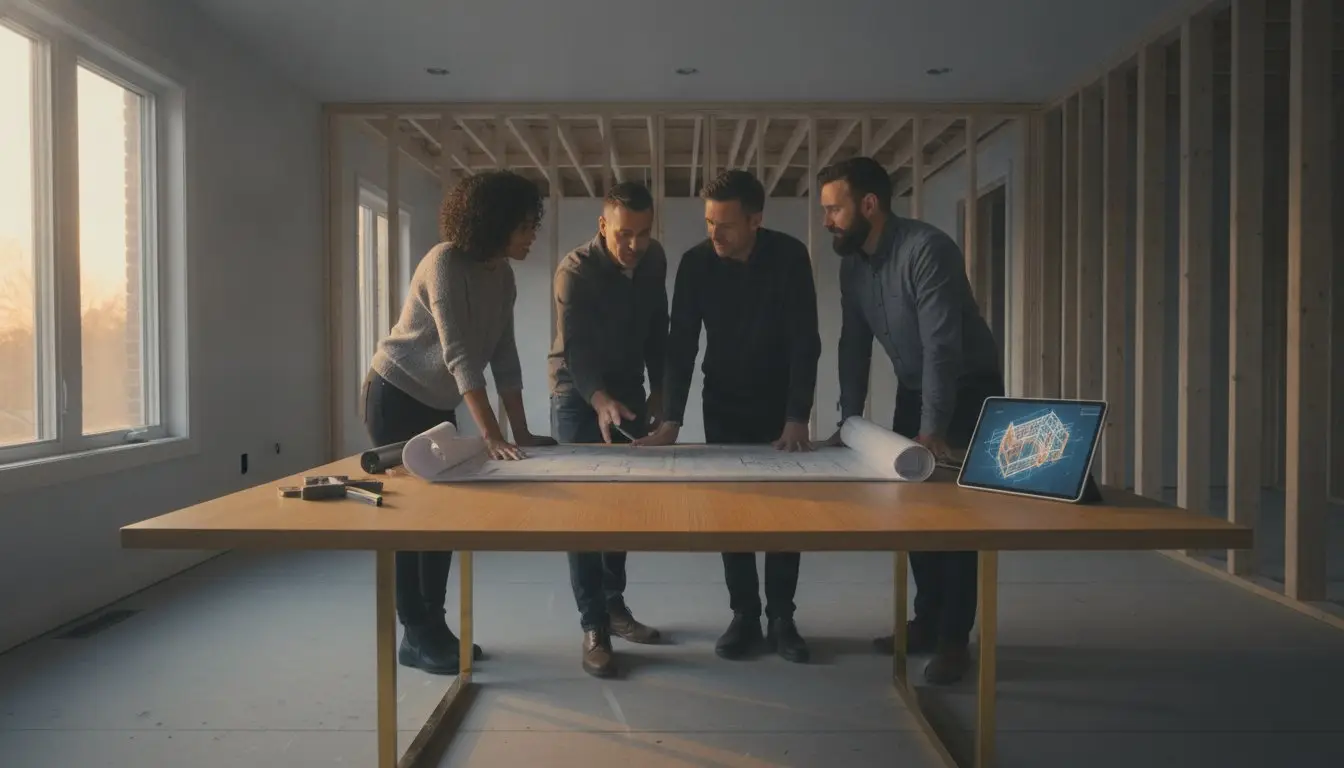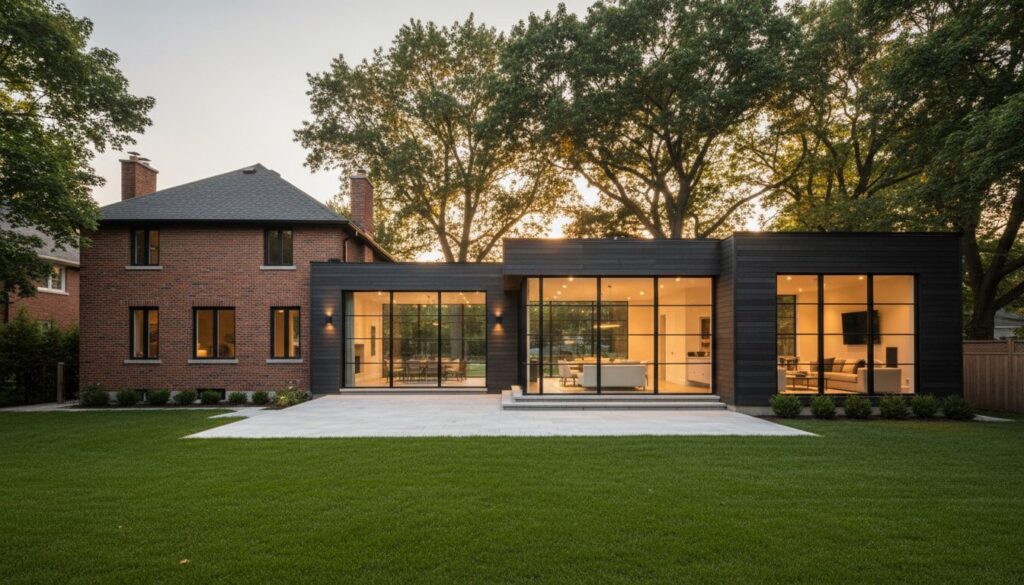
The most expensive element of your project isn’t the bespoke finishes; it’s the hidden cost of a decision you didn’t know you were making. Most homeowners we speak to in Ottawa neighborhoods like Rockcliffe or Westboro feel that a C$250,000 investment should naturally guarantee a stress-free process. You’ve likely shared that same concern, feeling the weight of potential budget overruns or the complexity of municipal zoning bylaws. It’s common to worry that your vision for home additions might get lost in a sea of permits and construction delays.
This guide provides the institutional-grade clarity you need to manage a C$100,000 to C$500,000 investment with absolute precision. We’ll show you how to align your luxury aspirations with the specific constraints of your lot while maintaining a calm, controlled site environment. We’ll compare addition types, break down realistic timelines, and outline the strategic planning required to ensure your home’s transformation is as seamless as it is sophisticated.
Key Takeaways
- Evaluate whether building up, extending out, or digging under offers the highest architectural and financial return for your specific Ottawa lot.
- Navigate the C$100,000 to C$500,000 investment landscape for high-end home additions with a transparent roadmap designed to prevent budget overruns.
- Identify critical regional pitfalls, such as soil instability and hidden structural rot, to safeguard your capital from costly delays and technical failures.
- Discover how a structured planning process transforms complex construction into a seamless, white-glove expansion of your home’s legacy.
Comparing Addition Types: Build Up, Build Out, or Dig Under?
Deciding between vertical and horizontal expansion is a high-stakes calculation for any Ottawa property owner. Most homeowners we speak to prioritize a seamless integration that preserves the architectural integrity of their original investment. Whether you are considering home additions to create a bespoke master wing or a sophisticated home theater, the structural path you choose dictates both your lifestyle continuity and your long-term asset value. For projects ranging from C$100,000 to C$500,000, the decision requires institutional-grade planning and a deep understanding of local constraints.
Second-Storey Additions: Building Up in Ottawa
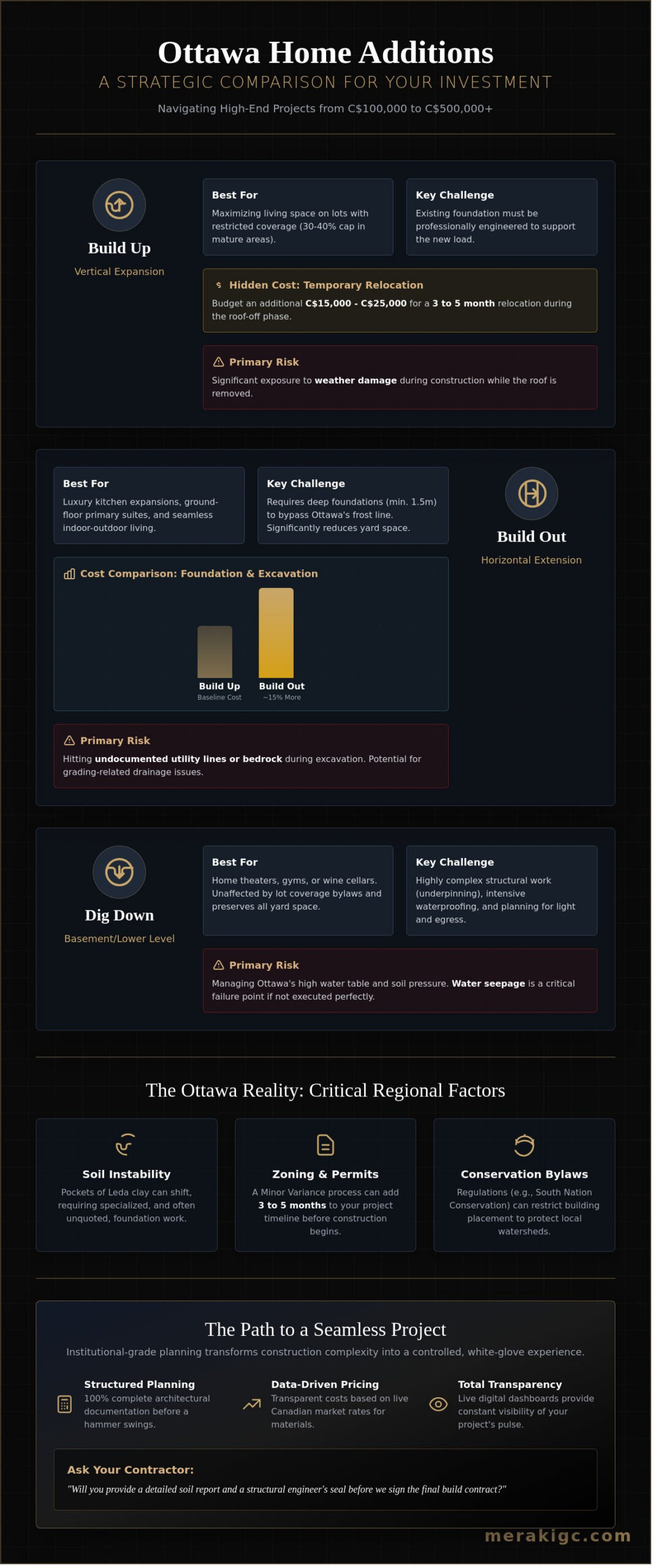
Vertical expansion is a strategic choice when Ottawa municipal bylaws restrict lot coverage, often capped at 30% or 40% in mature neighborhoods. Here is where projects go wrong: homeowners assume their existing walls can support the new load. Your foundation must be professionally measured and engineered before the design phase begins. We utilize a structured planning process to verify structural capacity early. Building up typically requires a temporary relocation for 3 to 5 months during the roof-off phase, an additional C$15,000 to C$25,000 expense many forget to budget for. If you’re interested in how a new roof can incorporate modern solar technology during this phase, click here.
Ground-Level Extensions: Building Out
Building out is the preferred route for luxury kitchen expansions or primary suites. In Ottawa, this requires navigating the frost line, necessitating foundations at least 1.5 meters deep to prevent shifting. While a 10-foot “bump-out” might fit a Russell lot size without violating setbacks, full-scale home additions can significantly reduce your outdoor living space. To make the most of these new areas, many homeowners incorporate premium architectural features like the bespoke glass roofs from Grabex Windows Ltd, which help flood kitchen extensions with natural light. You should watch for drainage patterns; improper grading during a build-out can lead to basement seepage in neighboring properties, a common source of legal friction.
- Cost: Expect ground-level extensions to cost 15% more in excavation and foundation work compared to vertical builds of the same square footage.
- Risk: Building up carries the risk of weather damage during construction; building out risks hitting undocumented utility lines or bedrock.
- Ask your contractor: “Will you provide a detailed soil report and a structural engineer’s seal before we sign the final build contract?”
- The Meraki approach: We treat your home as a sophisticated asset, ensuring every bespoke detail, from smart automation to foundation reinforcement, is executed with quiet confidence and transparency.
The Ottawa Reality: Costs, Permits, and Strategic Planning
Investing in home additions in Ottawa requires a clear-eyed understanding of the local financial and regulatory landscape. Most homeowners we speak to find that high-end projects typically range from C$100,000 to C$500,000. This price bracket reflects the sophisticated engineering required to seamlessly integrate new structures with existing foundations. This isn’t just about square footage; it’s about ensuring the new wing doesn’t compromise the integrity of your original home.
Here’s where projects go wrong: unexpected soil instability or hidden structural rot. Ottawa is known for pockets of Leda clay, which can shift and require specialized foundation work that standard quotes often miss. We eliminate the anxiety of these “unforeseen” delays through a managed approach. By using live digital dashboards, you maintain total visibility over the project’s pulse. If a contractor provides a quote significantly below the C$100,000 floor for a major addition, they’re likely under-quoting to win the bid. You’ll often see those costs reappear later as aggressive change orders. Understanding what separates a reliable Ottawa renovation quote from a misleading ballpark figure is essential to protecting your capital before you commit to any contractor.
Navigating Ottawa Permits and Zoning Bylaws
If your vision exceeds the “as-of-right” zoning limits, you’ll likely face the City of Ottawa Committee of Adjustment. This process for a Minor Variance typically adds 3 to 5 months to a project timeline. It requires a calm, professional presentation of your plans to local officials. When integrating bathroom renovations Ottawa within your new space, plumbing must adhere to specific municipal load requirements. For those planning a Russell property extension, you must also account for South Nation Conservation regulations, which protect local watersheds and can restrict where you build on your lot. Working with an experienced custom home builder in Russell and Ottawa ensures these conservation authority requirements are identified and addressed before your design is finalized.
The Pre-Construction Planning Phase
Detailed scoping is the only way to prevent budget overruns. You shouldn’t see a hammer swing until architectural documentation is 100% complete. This phase defines every light fixture, structural beam, and insulation type. Ask your contractor about their data-driven pricing model. They should be able to explain how they track current Canadian market rates for materials like lumber and steel. This level of institutional rigor is a core part of our process, ensuring your home additions are delivered with the precision your investment deserves.
- Budget for a 10% to 15% contingency specifically for Ottawa-specific soil or foundation issues.
- Verify if your property falls under a conservation authority’s jurisdiction before finalizing designs.
- Demand a fixed-price contract based on completed architectural drawings to avoid mid-project price hikes.
Executing the Vision: Moving vs. Adding vs. MasterCrafting
Deciding between selling your home or investing in home additions often comes down to a cold analysis of transactional friction. Most homeowners we speak to in Ottawa neighborhoods like Westboro or Rockcliffe find that moving is surprisingly expensive. Selling a C$1,000,000 property in Ontario involves roughly C$50,000 in real estate commissions, legal fees, and land transfer taxes. That capital is simply gone; it doesn’t improve your quality of life. Investing that same C$100,000 to C$500,000 into your current footprint builds immediate equity while allowing you to remain in the community you’ve grown to love.
Our philosophy centers on the Greek concept of Meraki, which means putting your soul and creativity into your work. In residential construction, this manifests as our “MasterCrafted” stage. We don’t just build a box onto your house. We ensure the addition feels like a seamless extension of the original structure, matching trim profiles, rooflines, and brickwork so perfectly that a passerby wouldn’t know where the old house ends and the new one begins. What this means for you: You avoid the “tacked-on” look of common renovations and instead gain a tailored living environment that preserves your home’s architectural integrity and long-term market value.
The Design-Build Advantage for Additions
Many projects go wrong because of a disconnect between the architect and the builder. An architect might design a beautiful space that’s physically impossible or financially ruinous to build. Our design-build services eliminate this risk by keeping both teams under one roof. This ensures feasibility from day one. We use proactive communication and live digital updates to keep you informed, providing the high-stakes reliability you expect when investing significant capital into your primary residence.
Your Next Steps in the Ottawa Market
If you’re ready to explore the possibilities, the first step is a neighborhood-specific feasibility study. Ottawa’s zoning bylaws vary significantly between Old Ottawa South and newer developments in Kanata. You should ask your contractor if they understand the specific setbacks and height restrictions for your specific lot. Learn why Meraki is the choice for homeowners who value a sophisticated, transparent process. Before you begin, ensure you’re prepared for a 6-month to 1-year project timeline. This duration reflects the meticulous planning and craftsmanship required to deliver a project that truly embodies the Meraki spirit.
Transforming Your Ottawa Residence with Confidence
Navigating home additions in Ottawa involves more than just selecting a floor plan. It requires a deep understanding of local zoning bylaws, such as the Mature Neighbourhoods Overlay, and a clear strategy for managing C$100,000 to C$500,000 investments. Most homeowners we speak to worry about budget creep and timeline delays. These risks are best managed through a rigorous pre-construction phase. By prioritizing transparency, you ensure your vision for a custom theater or integrated home automation system doesn’t get lost in the permitting process.
What this means for you: The difference between a successful expansion and a costly mistake lies in the pre-construction data. Our proprietary “Measured, Managed, MasterCrafted” process provides the institutional-grade reliability you need for complex projects. We focus on fixed-price pre-construction planning to eliminate the guesswork that often leads to friction. This approach allows you to remain the architect of your lifestyle while we handle the technical execution.
Your home should reflect your highest standards without the stress of traditional construction. Request a Data-Driven Scoping Session for Your Ottawa Addition to begin your journey with a partner who values precision as much as you do. We look forward to helping you master the next chapter of your home’s story.
Frequently Asked Questions
How much does a home addition cost in Ottawa in 2026?
Projected costs for home additions in 2026 typically range from C$350 to C$650 per square foot, based on inflationary trends identified in the 2024 Altus Group Construction Cost Guide. For a standard 500 square foot ground level expansion, you should anticipate a capital allocation between C$175,000 and C$325,000. These figures represent a sophisticated level of finish and professional project management. What this means for you is that establishing a clear budgetary framework early prevents the friction of mid project financial adjustments.
Do I need a minor variance for a small bump-out in Russell?
You’ll likely require a minor variance in the Township of Russell if your bump-out encroaches on the 1.2 metre side yard setback or exceeds the lot coverage limits specified in Zoning By-law 2018-141. Even a modest 40 square foot addition can trigger this process if your property is already near its density maximum. Most homeowners we speak to experience a 3 to 5 month timeline for Committee of Adjustment approvals. Our bespoke approach ensures these regulatory hurdles are cleared before any ground is broken. For a comprehensive overview of how local zoning requirements affect your build from the ground up, reviewing the essential questions to ask a custom home builder serving Russell and Ottawa can help you anticipate these regulatory steps with confidence.
Is it cheaper to build up or build out on an Ottawa property?
Building out is generally 15% to 20% more cost-effective than building up because it avoids the intensive structural reinforcement required to support a second story. While home additions that expand the footprint require new foundation work, they bypass the high costs of removing a roof and rerouting existing HVAC systems, which can add C$30,000 to a budget. Building out offers a more seamless execution for properties with sufficient lot area. It’s a strategic choice that prioritizes alpha generation in your property’s long-term value.
What are the biggest risks of a home addition project going over budget?
Unforeseen site conditions and late-stage scope changes are the two primary drivers of budget overruns in the Ottawa market. Data shows that 25% of renovations in established neighbourhoods like Westboro or Glebe uncover legacy electrical or structural issues that require immediate remediation. We mitigate these risks through a philosophy of transparency and rigorous pre-construction discovery. What this means for you is that a 10% contingency fund isn’t just a suggestion; it’s a necessary component of a sophisticated and reliable financial plan. Reviewing how a precise Ottawa renovation quote is structured before signing any contract gives you the financial roadmap needed to anticipate these risks rather than react to them.

Article by
~ Jason Bourguignon
Jason has been passionate about building homes from a young age, starting his first successful construction company at age 21. With experience across nearly every sector of the industry, he brings a hands-on understanding of the entire building process. For over two decades, he has managed hundreds of custom home builds, additions, and renovations with some single projects exceeding $2.5M. Jason does not just focus on construction, but also helps homeowners create spaces they truly call home.
Disclaimer
The information in this article is provided for general educational purposes only and is based on typical renovation scenarios in Ontario. Every project is unique, and actual costs, timelines, and requirements may vary. This content does not constitute professional, legal, or engineering advice. We recommend consulting with a qualified contractor or specialist for your specific project.