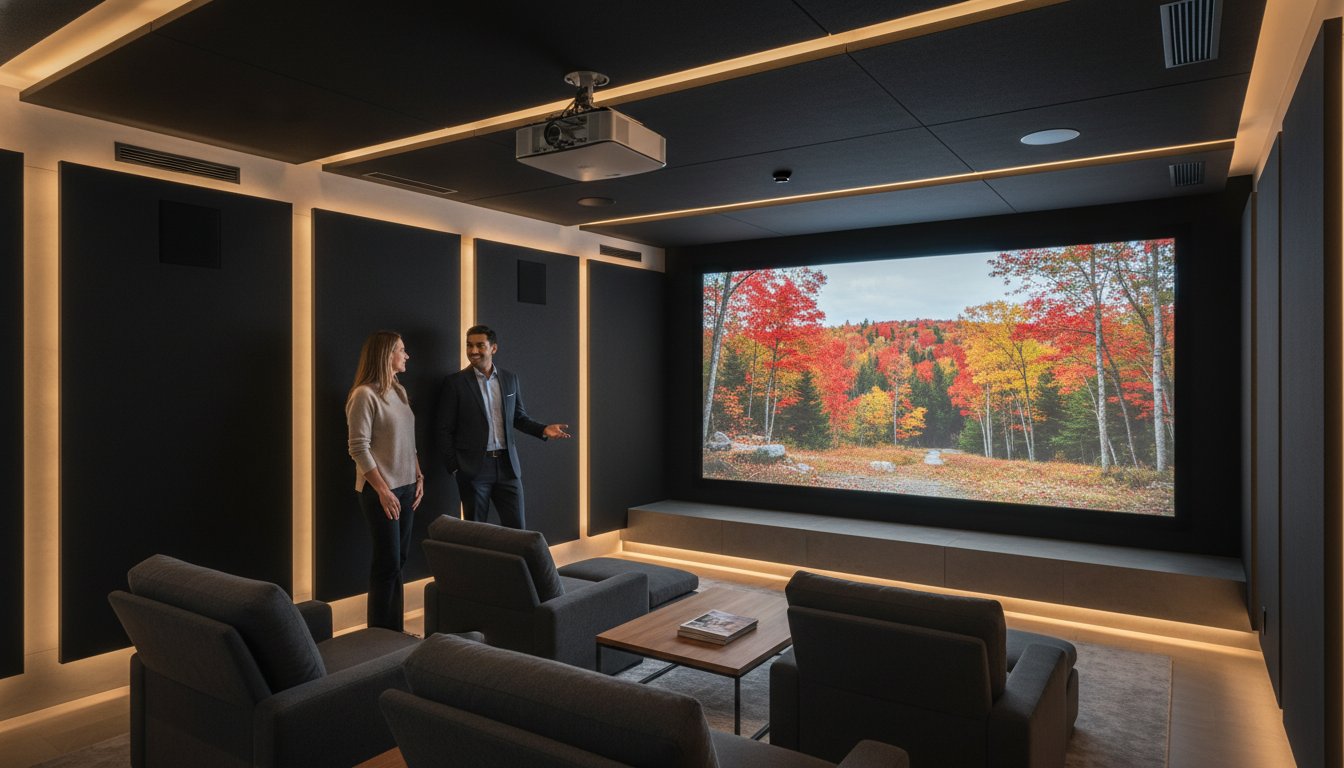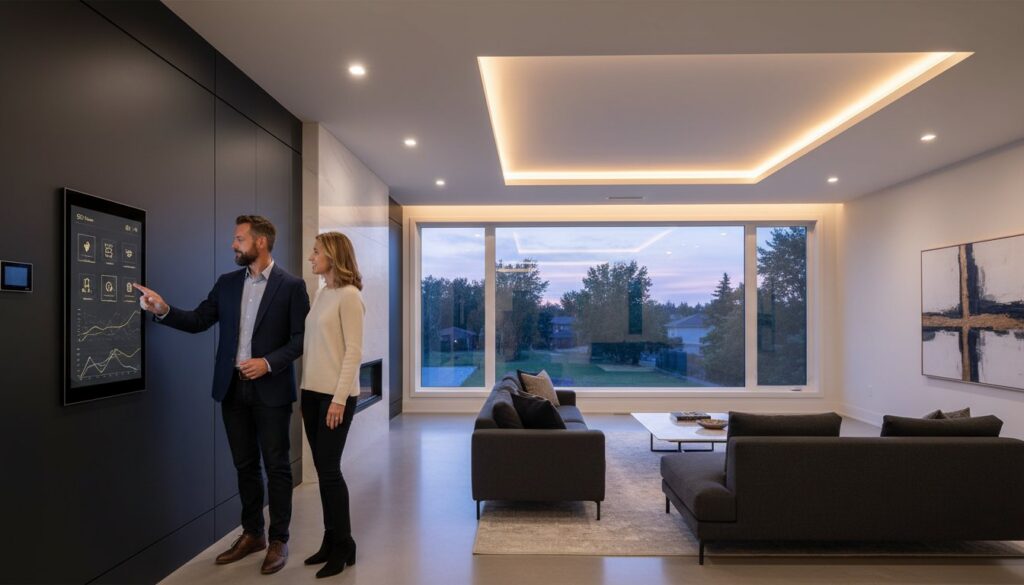
Last December, a homeowner in Rockcliffe Park discovered that their home automation ottawa installation was effectively useless because the Wi-Fi signal couldn’t penetrate the reinforced foundation of their newly finished basement. It’s a frustrating reality for many. You invest in the latest tech only to end up with a fragmented system that requires five different apps just to dim the lights. Most homeowners we speak to in the Ottawa and Prescott-Russell area want technology that simplifies their lives, not a complex hobby that becomes obsolete in 24 months.
We believe your home should be a seamless extension of your lifestyle, utilizing sophisticated systems that remain reliable even when temperatures drop to -30°C. This article provides a transparent look at integrating bespoke technology into your renovation while avoiding hidden labor costs and the app fatigue that often follows poorly planned projects. We’ll examine the specific infrastructure required for a future-proof home and how we apply the meraki philosophy, putting soul and professional dedication into every connection, to ensure your investment is protected and your daily experience is effortless.
Key Takeaways
- Learn why relying solely on wireless signals in a heavily insulated Ottawa basement is the most common failure point in modern smart home projects.
- Discover how to transition from a collection of standalone gadgets to a sophisticated, centralized ecosystem for home automation ottawa that prioritizes long-term reliability.
- Identify the risks of “proprietary lock-in” and how choosing open standards protects your investment from becoming obsolete.
- Understand the Meraki process of integrating technology directly into your initial blueprints to ensure a seamless aesthetic and prevent expensive mid-project retrofits.
- Equip yourself with the essential questions to ask your contractor to ensure your C$100K+ renovation remains on budget and technically sound.
Understanding Home Automation in Ottawa: Beyond the Gadgets
True home automation ottawa isn’t about collecting a dozen standalone gadgets from a big-box store. It’s about building a centralized ecosystem where every component communicates through a single, stable backbone. Many homeowners we speak to feel a sense of “tech anxiety” after spending thousands on devices that require constant troubleshooting. We take a “Trusted Advisor” stance, prioritizing long-term reliability over the latest shiny tech that might be obsolete in twenty-four months.
The primary risk in high-end renovations is treating technology as an afterthought. Integrated systems differ from DIY products because they rely on structured cabling and professional-grade networking. This infrastructure acts as the nervous system of your home. By planning for these systems during the early stages of a $100,000 to $500,000 renovation, you ensure your property is future-proofed against the rapid pace of digital change.
The Difference Between a Smart House and an Integrated Home
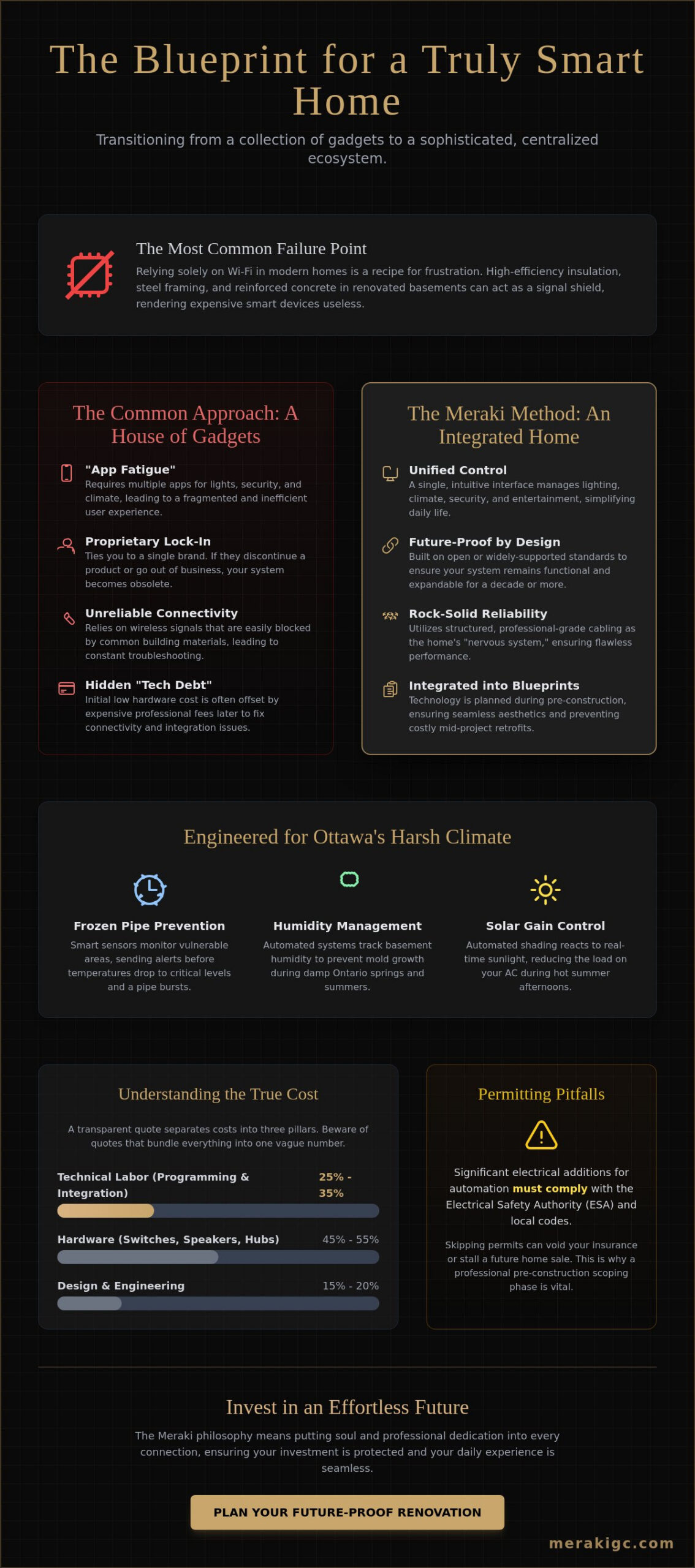
Most homeowners are familiar with “App Fatigue.” This happens when you need one app for your doorbell, another for your thermostat, and a third for your kitchen lights. It’s inefficient and frustrating. A bespoke system unifies lighting, climate, and security into one interface that actually makes life easier. We embrace the Meraki philosophy by putting soul and intentionality into every technical detail. This means your home doesn’t just have “features”; it has a cohesive logic that anticipates your needs.
Regional Context: Smart Tech for Ottawa’s Harsh Climate
Ottawa’s climate is famously demanding. We experience temperature swings that can exceed 60 degrees Celsius between summer and winter. Automated climate control is a necessity for managing these extremes without skyrocketing energy bills. In regions like Russell and Greater Ottawa, we focus on specific environmental protections:
- Frozen Pipe Prevention: Smart sensors monitor temperatures in vulnerable areas like basements and crawl spaces, sending alerts before a pipe bursts.
- Humidity Management: Automated systems track basement humidity levels to prevent mold growth during damp Ontario springs.
- Solar Gain Control: Automated shading reacts to real-time sunlight, lowering blinds during humid summer afternoons to reduce the load on your AC.
- You avoid the clutter of mismatched DIY devices that don’t talk to each other.
- Your investment is protected by a system designed to handle local weather risks like deep freezes and high humidity.
- You gain a “single pane of glass” view of your entire home, reducing daily friction and app fatigue.
Planning Your Smart Home Infrastructure: What Can Go Wrong?
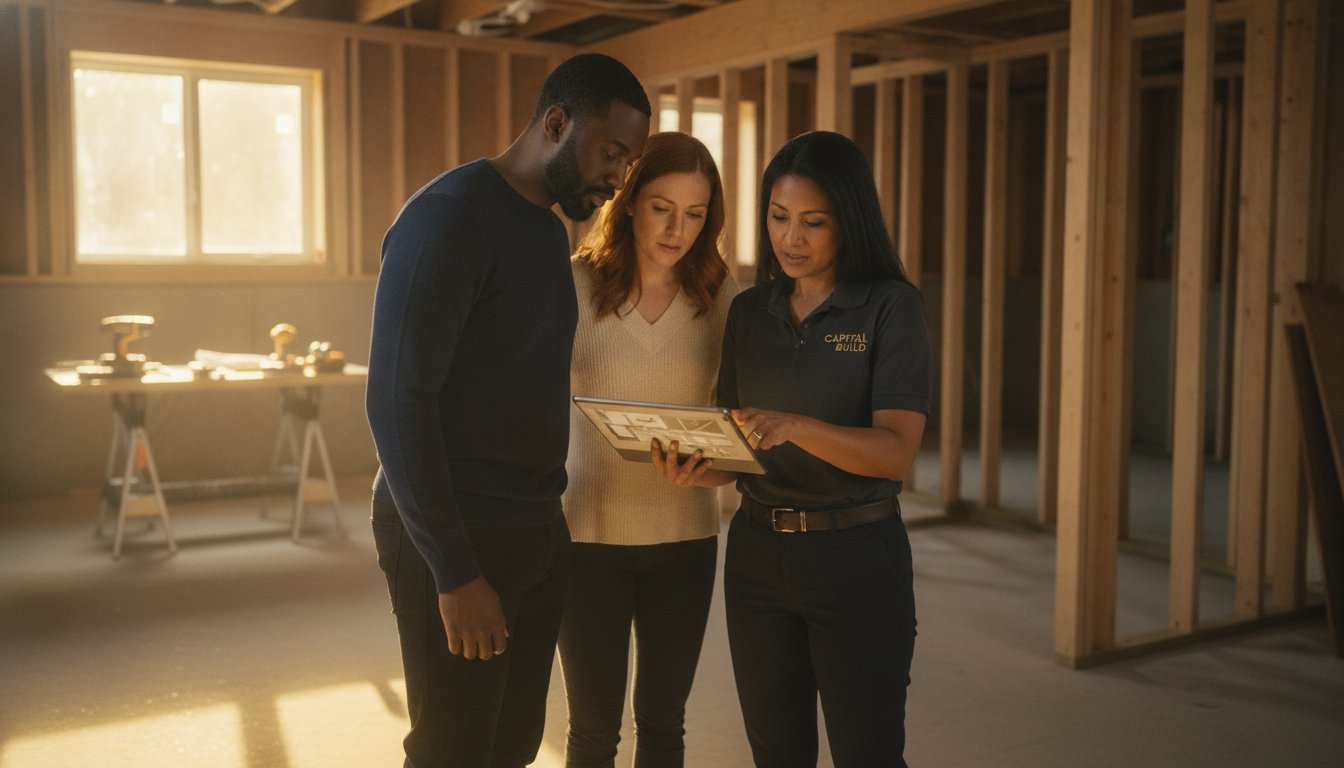
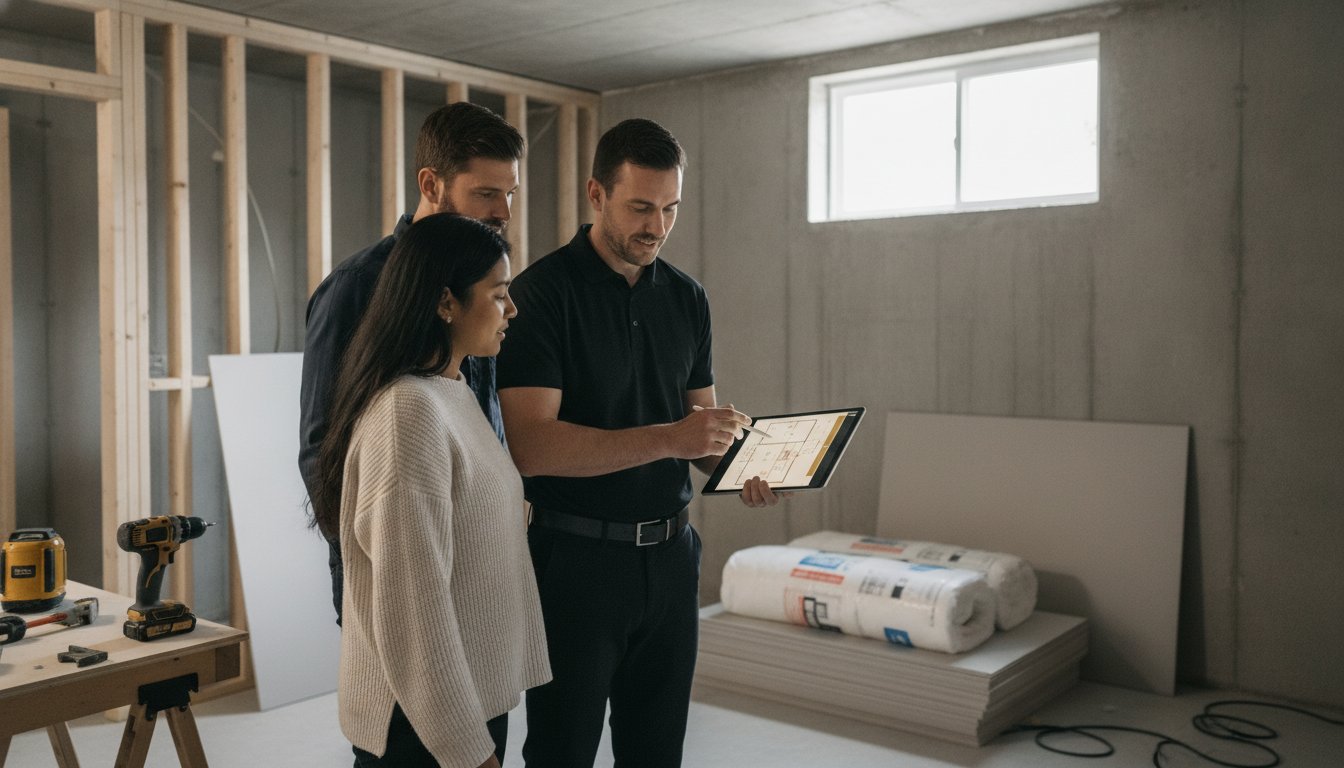
Many homeowners assume a high-end router is enough to power home automation ottawa projects. It isn’t. The most common failure point we see happens in newly renovated basements. High-efficiency insulation and steel framing often act as a signal shield, effectively killing wireless connectivity. If your smart switches cannot reach the hub through the dense spray foam or metal studs, your investment becomes little more than expensive wall decor. Homeowners planning basement renovations in Ottawa should account for these connectivity challenges from the very first design meeting to avoid costly retrofits later.
Avoid the trap of “Proprietary Lock-in.” If you choose a system that only communicates with its own branded devices, you’re tethered to that company’s future. If they stop supporting a product or go out of business, your system dies with them. We advise sticking to open or widely supported standards to ensure your home remains functional for a decade, not just a season.
Don’t overlook the “Permitting Pitfall.” Any significant electrical addition for home automation ottawa must comply with the Electrical Safety Authority (ESA) and local codes in the City of Ottawa or Russell Township. Skipping these permits might save time today, but it can void your insurance or stall a future home sale. This is why a pre-construction scoping phase is vital. It allows us to map out the wiring before the drywall is sealed, preventing costly mid-build change orders.
Budgeting for Automation: What Does It Actually Cost?
A transparent quote should separate costs into three pillars: design, hardware, and technical labor. Most homeowners are surprised to find that technical labor for programming and integration can account for 25% to 35% of the total investment. While DIY tech looks cheap upfront, it often creates “tech debt.” You’ll eventually pay more to a professional to fix connectivity gaps than you would have spent on a proper install. Watch for quotes that bundle everything into one vague number; you deserve to see exactly where your C$ is going. A unified design-build ottawa approach provides a single point of accountability that keeps both your technology budget and your broader renovation costs transparent and on track.
What This Means for You: The Meraki Perspective
We utilize a “Measured, Managed” process to protect you from the stress of escalating costs. By finalizing the automation blueprint during the design phase, we eliminate the guesswork that leads to “timeline slip.” Our approach ensures that high-stakes projects, like a dedicated home theater or whole-home lighting, are executed with institutional precision.
Proactive communication is our standard. We coordinate directly with electricians and framers to ensure the infrastructure is ready for the tech. This level of structured planning keeps your project on track and your budget intact. If you’re ready to build a system that actually works, you can view our custom integration services to see how we handle these complexities.
The Meraki Approach: Seamless Integration into Your Design-Build
At Meraki, we don’t treat technology as an afterthought or a “plugin” added at the end of a project. Instead, we weave it into our renovation services from the very first blueprint. This institutional approach ensures that your home functions as a sophisticated asset rather than a collection of disconnected gadgets. When we design a home automation system integration, we look for the synergy between your lifestyle and the physical structure. For example, a custom home theater build requires precise acoustic planning and climate control long before the first screen is mounted.
We prioritize a white-glove standard where our team acts as a seamless extension of your vision. Our “Educate First” philosophy means we’ll never push the most expensive hardware just because it’s new. We help you choose tech that fits your daily routine, focusing on reliable home automation ottawa residents can depend on for years. We believe in transparency over sales tactics. If a specific feature doesn’t add value to your life, we’ll tell you. It’s about building a system that offers quiet confidence, not a complex headache.
Essential Questions to Ask Your Home Automation Partner
Choosing the right partner is about long-term reliability. Most homeowners we speak to worry about their tech becoming obsolete within a few years. To avoid this, ask your contractor these three questions:
- “How will this system be serviced in three years?”
- “Does this design require a specific internet provider or proprietary hardware?”
- “How does this automation impact my bathroom renovation or kitchen layout?”
A true partner provides unbiased advice on how wiring choices today affect your ability to upgrade in 2028 or 2030. They should explain how integrated lighting or hidden speakers interact with your structural framing and cabinetry. Smart technology decisions also intersect directly with major remodels; understanding how automation integrates with kitchen renovations in Ottawa — from under-cabinet lighting to smart appliance connectivity — is essential to avoiding the budget escalations and finger-pointing that derail so many Ottawa projects. Understanding how your technology investment fits within a broader high-value design-build renovation plan is essential to avoiding the budget escalations and finger-pointing that derail so many Ottawa projects.
Your Next Steps in Russell and Ottawa
Moving from the “idea phase” to a data-driven project scope requires a structured path. We recommend visiting a certified showroom to experience the “quiet confidence” of an integrated home firsthand. It’s the best way to see how “invisible” tech improves your living space without cluttering the design. For those in the National Capital Region, regional renovation challenges like local permit timelines or old-growth electrical grids in Westboro or Rockcliffe require specific expertise. Before finalizing your scope, reviewing a comprehensive breakdown of the smart home features available to Ottawa homeowners in 2026 can help you prioritize the systems that deliver the greatest return on your investment.
We encourage a consultation to discuss these variables. We’ll help you move past the anxiety of making the wrong choice by providing a clear, transparent roadmap for your investment. This ensures your home automation ottawa project stays on track and delivers the high-stakes reliability you expect from a luxury renovation.
Elevating Your Lifestyle Through Intelligent Integration
A sophisticated smart home is built on more than just high-end gadgets; it’s rooted in a robust infrastructure that supports your daily life. Most homeowners we speak to in the Greater Ottawa Area understand that the real value of home automation ottawa lies in the invisible systems that work behind the scenes. By addressing technical requirements during the initial design-build phase, you protect your C$100,000 to C$500,000 investment from the common pitfalls of incompatible hardware and fragmented user experiences.
Our Russell-based team approaches every project with a commitment to transparency and precision. We focus on eliminating the anxiety of technical debt through a structured process that ensures your home’s technology is as reliable as its architecture. It’s about creating a seamless environment where innovation meets elegance without the typical renovation friction. When you prioritize a Measured, Managed approach, you ensure your home remains both functional and future-proof. This same discipline applies whether you’re integrating smart systems into a new build or undertaking basement renovations in Ottawa where structural and connectivity challenges demand careful pre-construction planning.
Begin your “Measured, Managed” smart home journey with Meraki GC to see how our MasterCrafted process brings clarity to complex residential transformations. Your vision deserves an execution partner that values excellence as much as you do; we’re ready to help you build something exceptional.
Frequently Asked Questions
How much does a full home automation system cost in Ottawa?
A full home automation system in Ottawa typically requires an investment between 3% and 5% of your home’s total value according to industry benchmarks from CEDIA. For a premium property valued at C$1,500,000, this equates to a range of C$45,000 to C$75,000. Most homeowners we speak to find that costs fluctuate based on the number of integrated zones. We recommend allocating a 10% contingency fund for infrastructure upgrades.
Can I add smart features to an older home in the Glebe or Rockcliffe Park?
You can absolutely integrate smart home features into heritage homes in the Glebe or Rockcliffe Park by utilizing wireless mesh networks and localized hubs. These older structures often feature double-brick construction or lath and plaster walls that block standard signals. To overcome these 100 year old architectural barriers, we implement hardwired access points in 90% of our historic renovations. This ensures your home automation ottawa project maintains a seamless connection without damaging original woodwork.
What happens to my smart home if the internet goes down?
Your essential smart home functions will continue to operate via your local network even if your external internet connection fails. Automated schedules for lighting, climate control, and security cameras typically reside on a local processor rather than the cloud. While you’ll lose the ability to control your home remotely through a smartphone app, your physical wall switches and pre-set scenes remain 100% functional. This local-first architecture is a cornerstone of a reliable system.
Do I need a special permit for home automation in Russell, Ontario?
You must obtain an Electrical Safety Authority (ESA) permit for any home automation ottawa or Russell project that involves new high-voltage wiring or structural electrical changes. The Township of Russell follows the Ontario Electrical Safety Code, which requires a licensed electrical contractor to file a notification of work within 48 hours of starting. Most homeowners overlook this step, but failing to secure an ESA certificate can complicate insurance claims. Always ask your contractor for their license number.

Article by
~ Jason Bourguignon
Jason has been passionate about building homes from a young age, starting his first successful construction company at age 21. With experience across nearly every sector of the industry, he brings a hands-on understanding of the entire building process. For over two decades, he has managed hundreds of custom home builds, additions, and renovations with some single projects exceeding $2.5M. Jason does not just focus on construction, but also helps homeowners create spaces they truly call home.
Disclaimer
The information in this article is provided for general educational purposes only and is based on typical renovation scenarios in Ontario. Every project is unique, and actual costs, timelines, and requirements may vary. This content does not constitute professional, legal, or engineering advice. We recommend consulting with a qualified contractor or specialist for your specific project.