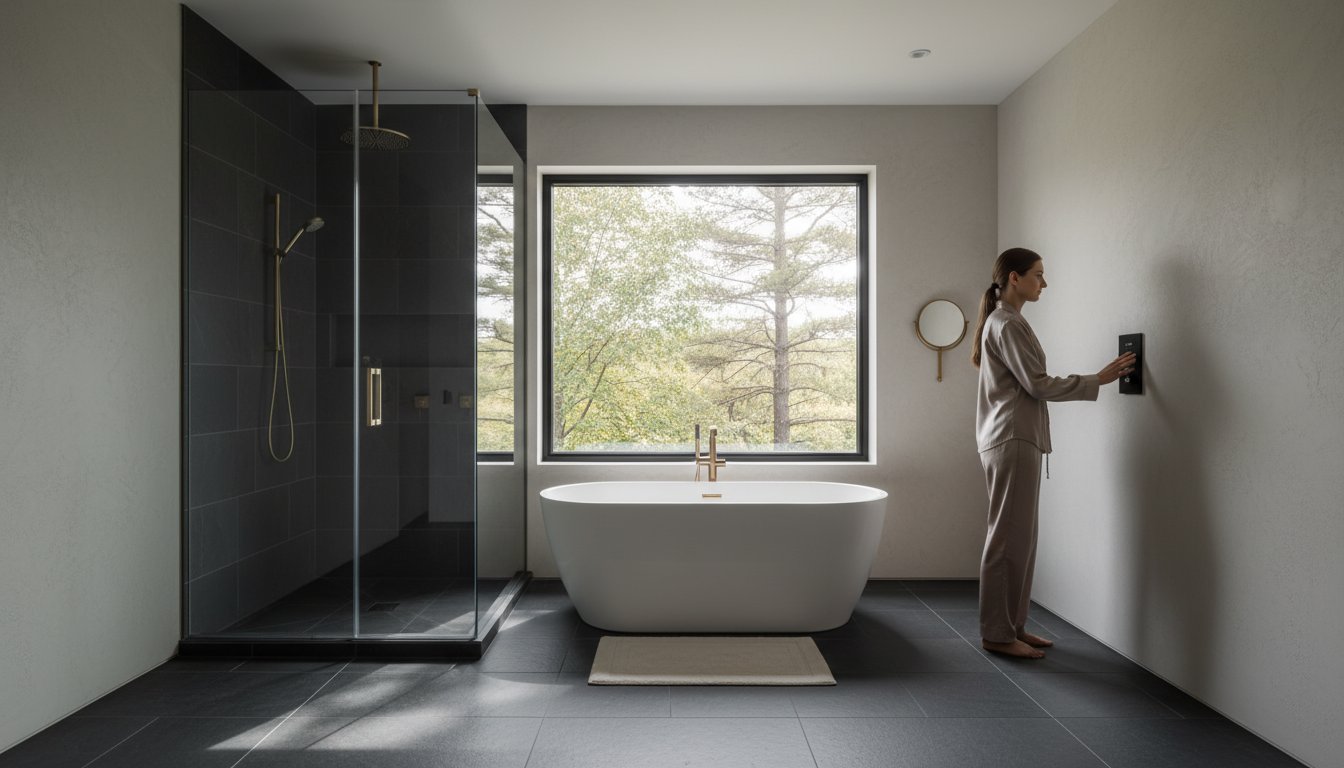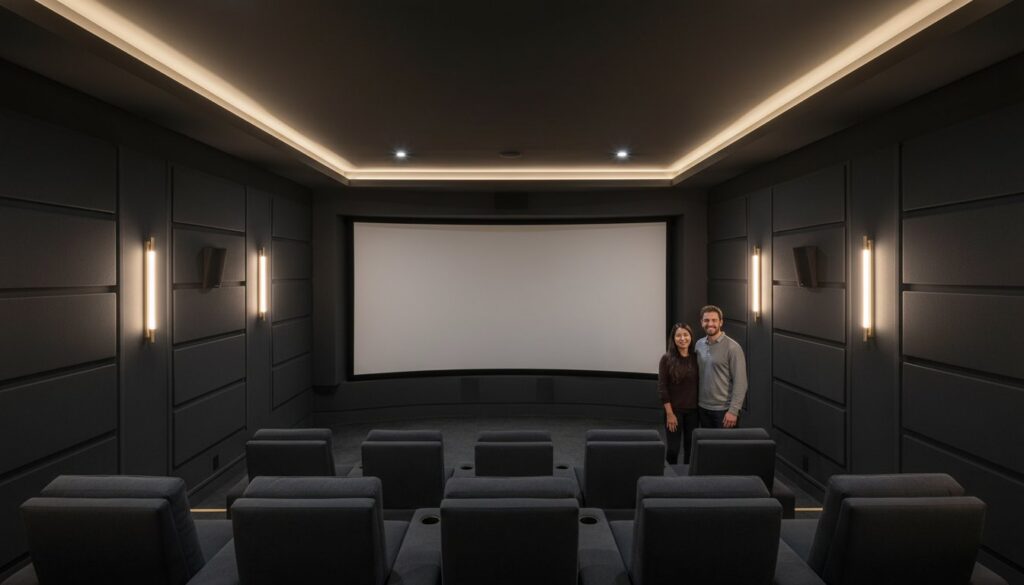
What if your C$150,000 investment in a private cinema ends up sounding like a hollow echo chamber because of a single overlooked insulation detail? Most homeowners we speak to in Russell and Ottawa feel a mix of excitement and genuine anxiety when planning a high-end basement renovation. It’s common to worry about wasting capital on sub-par acoustics or getting lost in the confusion of complex automation systems. You want a bespoke entertainment space that increases your property value without the typical headaches of mid-project budget overruns.
Discover how to transform your Ottawa basement into a world-class cinematic experience by applying professional design-build principles that prioritize both aesthetics and technical performance. We’ll explore five sophisticated home theater design ideas that balance high-stakes reliability with the philosophy of putting soul and creativity into every detail. From managing regional permitting requirements to integrating seamless automation, we provide the clarity you need for a stress-free build process. We’re going to break down the specific engineering choices that separate a simple media room from a professional-grade private theater.
Key Takeaways
- Discover how to transform a standard basement into an engineered acoustic environment by applying the “Golden Ratio” for superior sound distribution in Russell residences.
- Explore sophisticated home theater design ideas that balance aesthetic elegance with sightline engineering to ensure an unobstructed, world-class viewing experience.
- Gain a transparent understanding of the C$100,000 to C$500,000 investment range and how data-driven pricing prevents the escalating costs often found in premium Ottawa renovations.
- Learn to navigate technical build risks by identifying the critical questions to ask your contractor before breaking ground on a high-stakes cinematic project.
Core Design Concepts for Ottawa Home Theater Environments
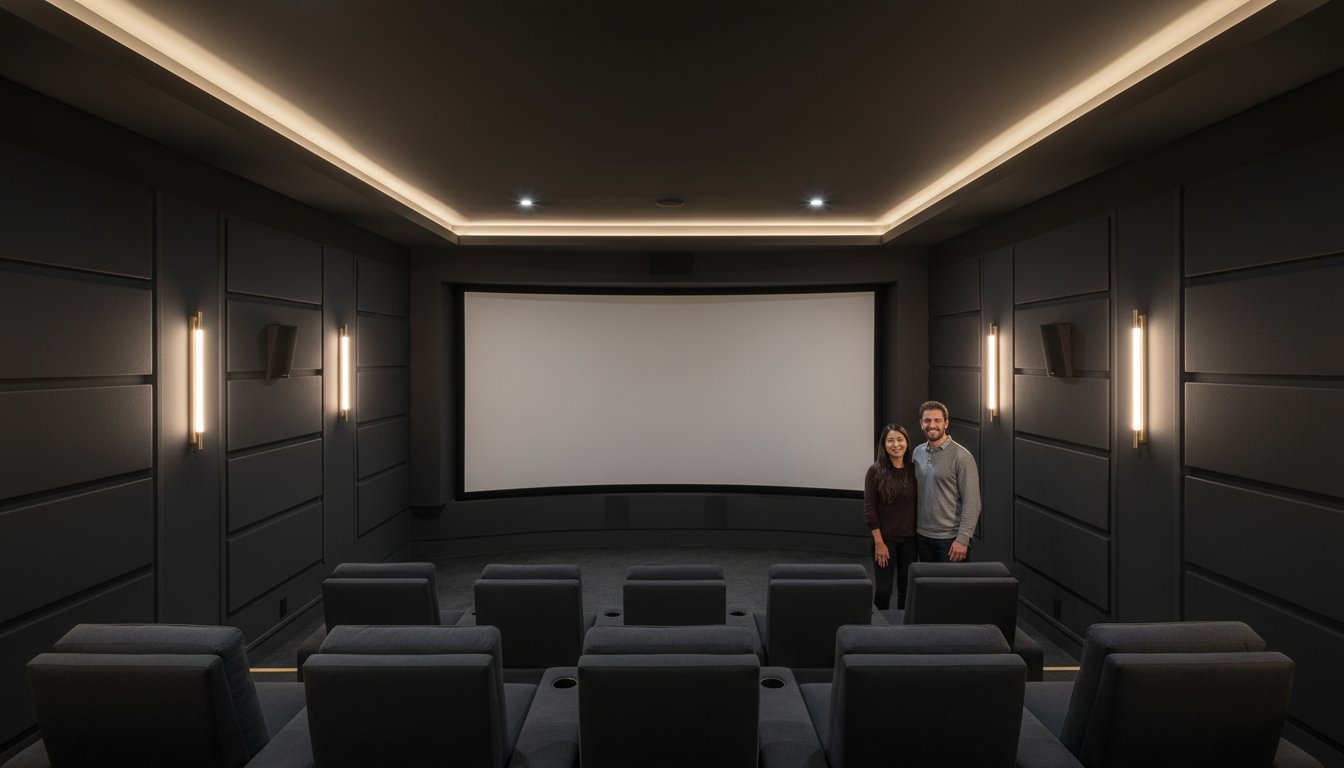
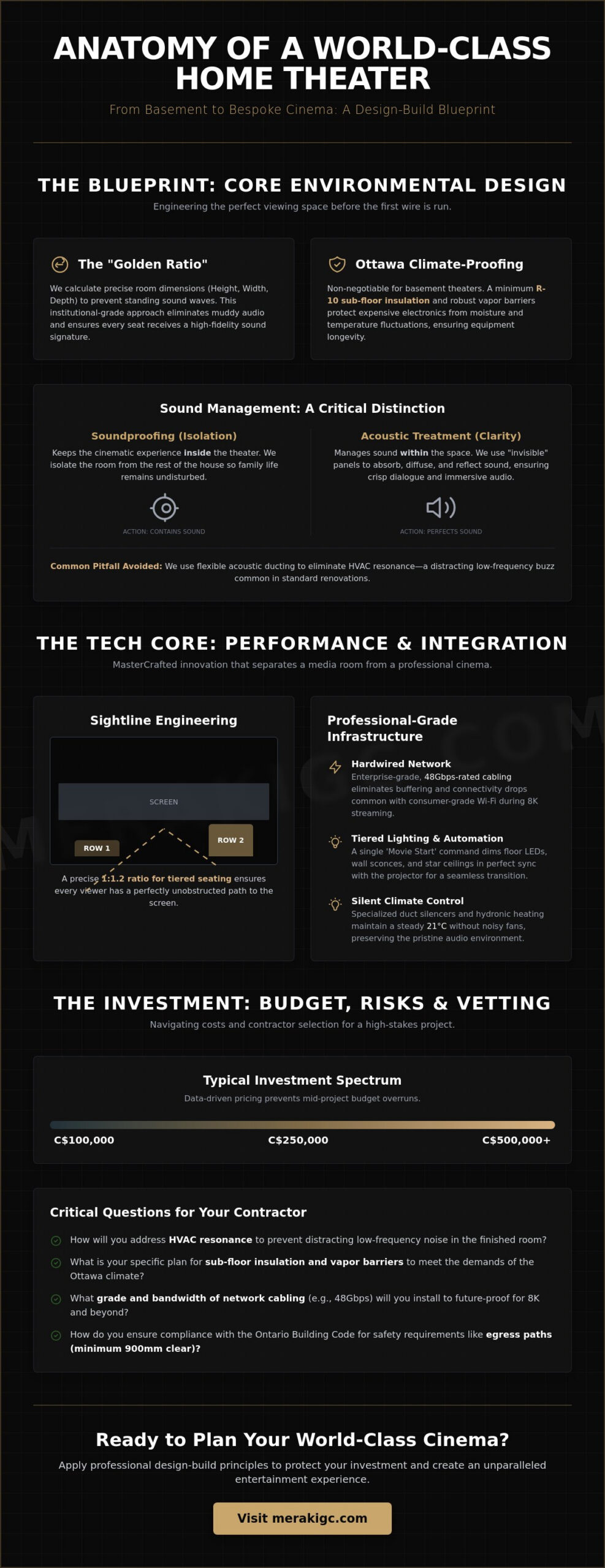
A bespoke home theater is far more than a media room with a large screen; it’s a precisely engineered acoustic environment designed to replicate a commercial cinema experience. When we evaluate Core Design Concepts, we prioritize the “Golden Ratio” of room dimensions. For a residence in Russell, this means calculating specific height, width, and depth proportions to prevent standing waves that muddy the audio. This institutional-grade approach ensures that every seat in the house receives the same high-fidelity sound signature.
Building in the Ottawa region presents unique environmental challenges. Most homeowners we speak to are surprised to learn that sub-floor insulation and robust vapor barriers are non-negotiable for basement theaters. Without a minimum R-10 insulation value below the slab, the cold Canadian ground creates temperature fluctuations that affect both equipment longevity and viewer comfort. If you are exploring home theater design ideas, remember that a room’s performance is only as good as its weakest structural link. Our structured planning process ensures these technical details are handled before the first piece of drywall is hung.
Acoustic Treatments: The Science of Silence
There’s a critical difference between soundproofing and acoustic treatment. Soundproofing isolates the room so the rest of the house stays quiet, while treatment manages the clarity within the space. We often integrate “invisible” panels behind acoustically transparent fabrics to maintain a clean, sophisticated look. A common pitfall in local renovations is ignoring HVAC resonance. Standard metal ductwork in Ottawa basements can vibrate at low frequencies, creating a distracting buzz. We solve this by using flexible acoustic ducting and decoupling the mechanical systems from the theater shell.
Lighting Design: Beyond the Dimmer Switch
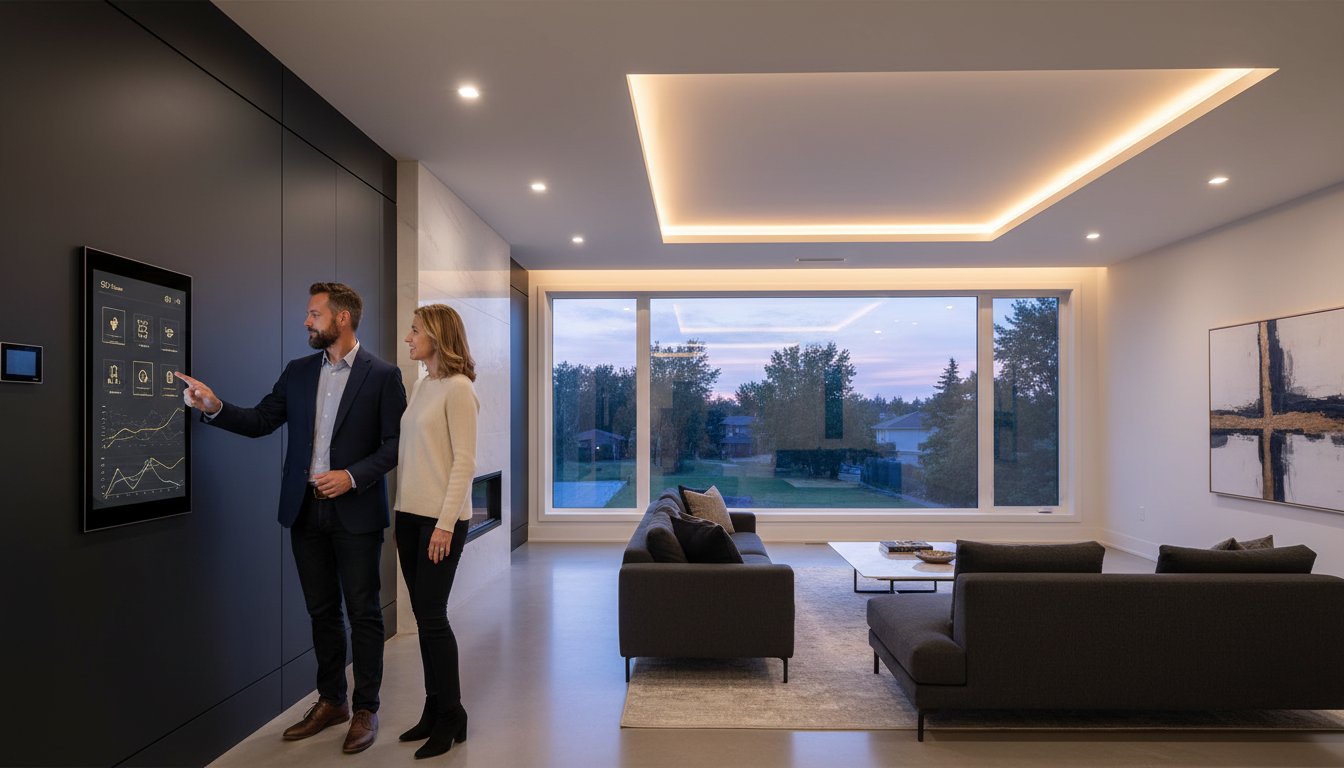
Effective lighting follows a tiered strategy. We combine floor-level LEDs for safety, wall sconces for ambiance, and fiber-optic star ceilings for a touch of exclusivity. These elements link directly to a smart home hub. A single “Movie Start” command can slowly dim the lights while the projector warms up, creating a seamless transition from reality to cinema. These home theater design ideas transform a simple basement into an elite viewing environment.
What this means for you
- Investment Protection: Proper vapor barriers prevent moisture damage to electronics, which is vital in the Ottawa climate.
- Quality Control: Addressing HVAC resonance early avoids the high cost of tearing down finished drywall later.
- Bespoke Results: Using the Golden Ratio ensures your audio performance matches the visual quality of a 4K laser projector.
Technical Integration and MasterCrafted Innovation
When exploring home theater design ideas, most homeowners we speak to in Russell focus on the screen first. We apply a Measured, Managed, MasterCrafted approach to ensure the hardware matches the specific architecture of your home. Choosing between a 4K laser projector and a large-format MicroLED depends entirely on your room’s light control. We calculate sightlines using a precise 1:1.2 ratio for tiered seating heights, ensuring every viewer has a clear path to the screen without obstruction from the row in front.
The technical foundation relies on hidden infrastructure. Your wiring plan is the most critical part of the pre-construction phase. We install 48Gbps-rated cabling to support MasterCrafted Innovation in object-based audio delivery. To handle harsh Ottawa winters, we integrate climate control systems that maintain a steady 21 degrees Celsius without noisy fans. This involves specialized duct silencers and hydronic heating solutions that keep the environment comfortable and silent.
Institutional-Grade Automation Systems
A unified control system simplifies your experience by merging audio, visual, and environmental settings into one interface. Many projects fail when they rely on consumer-grade Wi-Fi for high-bandwidth 8K streaming. We implement enterprise-grade hardwired networks to eliminate buffering and connectivity drops during your events, providing a level of reliability usually reserved for institutional environments.
Ergonomic Seating and Spatial Flow
Bespoke seating must balance luxury with long-term lumbar support for three-hour films. Beyond comfort, we design for safety and movement. This includes maintaining a minimum 900mm clear path for egress to stay compliant with the Ontario Building Code. Proper spatial flow ensures the room feels like a professional cinema rather than a crowded basement, even when at full capacity.
- Investing in the right technical infrastructure early prevents the need for costly wall removals later.
- Hardwired networks provide a 99.9% uptime compared to the instability of standard home routers.
- By following a structured renovation process, you avoid the common pitfalls of technical glitches that ruin the immersive experience.
Navigating the Build: Costs, Risks, and Contractor Selection
Building a high-end cinema in the Ottawa or Russell area is a major undertaking. For a premium space, you should expect an investment between C$100,000 and C$500,000. This range covers everything from structural soundproofing and bespoke seating to professional-grade projection systems. Most homeowners we speak to worry about their budget spiraling out of control. We prevent this through data-driven pricing. By using historical data from previous local builds, we eliminate the “escalating cost” syndrome common in less structured renovations. This ensures your home theater design ideas are grounded in financial reality from day one.
Regional challenges in Eastern Ontario often involve technical infrastructure. You’ll need precise electrical load calculations to handle high-wattage amplifiers without tripping breakers. Structural modifications, such as floating floors or sound-dampening wall assemblies, require specific building permits from the City of Ottawa or local Russell townships. Our approach integrates the Meraki philosophy; we bring a sense of soul and creativity to these high-stakes technical builds. When exploring sophisticated home theater design ideas, it’s vital to consider these structural risks alongside the visual aesthetics.
What Can Go Wrong: Avoiding Budget Overruns
Projects often fail because of scope creep. This happens when small changes add up to massive bills. A fixed-price contract is your best defense against this risk. Another common pitfall is hiring a contractor who doesn’t understand acoustics. If they don’t know how to decouple the room, your C$200,000 investment will bleed sound through the entire house. This leads to expensive, frustrating failures that are difficult to fix after the drywall is up.
The Ottawa Homeowner’s Contractor Checklist
Choosing the right partner is about transparency and technical depth. Here are four essential questions to ask during your interviews:
- How do you manage acoustic isolation and vibration control?
- What is your specific permitting process for structural theater modifications in Ottawa?
- How do you handle unexpected site conditions without breaking the budget?
- Can I access a live dashboard for daily project updates?
We believe proactive communication is the only way to manage a complex build. You can learn more about how we maintain transparency by reviewing our process for project management. It’s designed to keep you informed and confident throughout the entire construction journey.
Realizing Your Vision for an Elite Private Cinema
A high-end screening room in the Ottawa or Russell area is a significant investment that requires more than just premium hardware. It demands a sophisticated approach to sound isolation and structural integration that accounts for our specific regional climate and building codes. We’ve seen how the right home theater design ideas can turn an underused basement into a world-class entertainment hub, provided the execution is handled with institutional-grade precision. Most homeowners we speak to are concerned about budget overruns; that’s why we rely on data-driven pricing to eliminate surprises for projects typically ranging from C$100,000 to C$500,000.
Success in these high-stakes transformations comes down to a reliable framework. Our proprietary “Measured, Managed, MasterCrafted” process ensures your project stays on track through every phase of development. We provide specialized expertise in high-end Ottawa basement transformations, offering the white-glove service and technical mastery needed for a seamless result. You’ll gain a partner dedicated to transparency, helping you navigate risks while delivering a bespoke environment tailored to your lifestyle.
Begin your MasterCrafted home theater journey with Meraki GC and take the first step toward a truly elevated home experience.
Frequently Asked Questions
How much does a custom home theater cost in Ottawa?
A bespoke home theater in the Ottawa region typically requires an investment starting at C$75,000 and can exceed C$250,000 for high-stakes, institutional-grade integration. This reflects the Meraki philosophy of putting soul and precision into every detail, ensuring your execution is in expert hands. Most homeowners we speak to find that 40 percent of their capital is allocated to specialized audiovisual hardware, while 60 percent covers structural acoustics and luxury finishes.
Do I need a building permit for a home theater in Russell or Ottawa?
You will need a building permit from the City of Ottawa or the United Counties of Prescott and Russell if your project involves structural modifications, new electrical circuits, or changes to your HVAC system. Failing to secure these approvals can result in fines exceeding C$10,000 and may complicate future property sales. We advise clients to view the permitting process as a vital layer of risk management that protects their C$100,000 plus investment from unnecessary legal exposure.
Can any basement be converted into a high-end home theater?
Most basements can be converted into a high-end cinema, but we must first verify that your space meets the Ontario Building Code’s 2.1-meter height requirement. In the Ottawa area, moisture management is the primary risk; 15 percent of local homes require specialized foundation sealing before sophisticated home theater design ideas can be safely implemented. Addressing these technical hurdles early prevents costly budget overruns and ensures your theater remains a pristine, climate-controlled environment.
What is the difference between a media room and a dedicated home theater?
A dedicated home theater is an acoustically isolated sanctuary built for a singular purpose, while a media room is a versatile social space designed for various activities. Dedicated theaters utilize tiered seating and total light control to deliver a seamless, institutional-grade viewing experience. In contrast, media rooms often serve as secondary living areas with hidden technology, providing the agility many Russell families need for day-to-day life without sacrificing sophisticated aesthetics or home theater design ideas that prioritize comfort.

Article by
~ Jason Bourguignon
Jason has been passionate about building homes from a young age, starting his first successful construction company at age 21. With experience across nearly every sector of the industry, he brings a hands-on understanding of the entire building process. For over two decades, he has managed hundreds of custom home builds, additions, and renovations with some single projects exceeding $2.5M. Jason does not just focus on construction, but also helps homeowners create spaces they truly call home.
Disclaimer
The information in this article is provided for general educational purposes only and is based on typical renovation scenarios in Ontario. Every project is unique, and actual costs, timelines, and requirements may vary. This content does not constitute professional, legal, or engineering advice. We recommend consulting with a qualified contractor or specialist for your specific project.